

『Eureka Flow Meter Operation: Precision Volumetric Monitoring for Coffee Extraction』Related information(clamp on meter|electromagnetic meter|venturi meterrotameter|orifice meter|ultrasonic flow meter|mass flow meter|coriolis mass flow meter|coriolis flow meter|magnetic flow meter|magmeter flow meter|magflow flow meter|mag meter flow meter|electromagnetic flow meter|vortex flow meter|turbine flow meter|thermal mass flow meter|thermal flow meter|rotameter flow meter)
Eureka Flow Meter Operation: Precision Volumetric Monitoring for Coffee Extraction
Quick Answer: The Eureka flow meter measures the exact volume of water or coffee liquid moving through an extraction line. It replaces timer based dosing with direct volumetric control. For a quote, send your pressure (bar), temperature (°C), pipe size (DN), and flow range to Silver Automation Instruments.
Why Volumetric Monitoring Matters for Coffee Extraction
Here is the thing. Timer based control causes batch drift. Pump speed, pre wet time, and line pressure change between shifts. A volumetric meter ignores those variables. It stops the pump when the target volume reaches the setpoint. That gives the same coffee to water ratio on every cycle. In practice, this matters most for cold brew, espresso, and liquid coffee concentrate lines.
A cold brew plant in Malaysia cut over extraction by moving from timer control to a DN10 Eureka flow meter. They now hold total volume within 1.5 percent of the recipe. That level of control is hard to reach with flow switches or pressure only.
How the Eureka Flow Meter Works in a Coffee Extraction Line
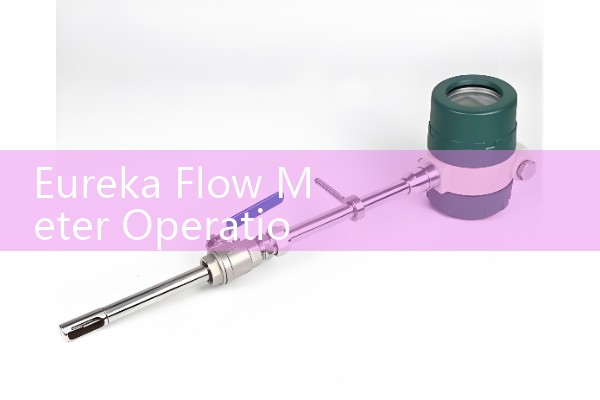
The meter sits after the pump and before the group head or the extraction column. It measures the water push through the coffee bed. The meter sends a pulse or 4-20 mA HART signal to the PLC. The PLC compares the total volume against the recipe. When the target volume is reached, the pump stops. This is direct volumetric control.
Most roasters and extraction equipment need two values. Total volume for batching and flow rate for process monitoring. The Eureka meter outputs both. For clean water and coffee concentrate, an oval gear positive displacement design works well. When conductivity is stable, a hygienic electromagnetic flow meter is another option. Both types are available from Silver Automation Instruments.
Key Specifications for Coffee Extraction Applications
Typical ranges are 0.1 to 20 L/min for small batch espresso and filter coffee extraction. High volume cold brew lines can use 1 to 40 L/min with a DN15 meter. The meter handles process temperatures from 2 to 95°C and pressures up to 10 bar. Accuracy is ±0.5 percent of reading. Repeatability is ±0.1 percent.
Wetted materials include 316L stainless steel, PEEK, and ceramic. Process connections include DN4, DN6, DN10, DN15, and tri-clamp types. Signal outputs include pulse, 4-20 mA HART, and RS485 Modbus. For CIP and SIP, choose a food grade meter rated for hot water cleaning.
Installation and Commissioning Notes
Install the meter after the pump. Remove air from the line before the first batch. Air bubbles cause the meter to over read with oval gear designs. Keep back pressure above 1 bar if possible. This prevents cavitation and keeps the meter stable.
Most engineers skip this part during commissioning. The K-factor in the PLC must match the mete
Common Field Problems and How to Fix Them
We have seen coffee oils and fine particles build up inside positive displacement meters. Use a strainer upstream. Clean with hot water at 85°C after each shift. Do not leave coffee liquids sitting in the meter overnight. For electromagnetic meters, check the grounding rings. The liquid conductivity should be above 5 µS/cm. Most extraction water is fine.
Another issue is incorrect back pressure at the meter outlet. If the outlet drains freely to atmosphere, the meter may partially empty between pulses. This causes an unstable reading. A simple flow restrictor or a vertical pipe riser after the meter solves this.
How to Specify the Right Meter for Coffee Extraction
Send us the process details. We need flow range, pipe size (DN), process temperature, pressure, and viscosity if you measure coffee concentrate above 10 cP. Also tell us the signal you prefer. Pulse is common for batching. 4-20 mA HART works well for PLC integration.
Last year a customer in Vietnam asked us for a DN10 meter for a ready to drink coffee line. They needed 2 to 8 L/min with a 4-20 mA signal. We recommended a 316L stainless steel oval gear meter. The unit has been running for over eight months without re-calibration.
Five Key Questions About Eureka Flow Meter Operation
Q: What flow range does the Eureka flow meter cover for coffee extraction?
A: Common ranges are 0.1 to 20 L/min for espresso and filter extraction. High volume cold brew can use a DN15 meter from 1 to 40 L/min. Share your batch volume and cycle time for a confirmed size.
Q: Can the meter handle hot water and coffee oils?
A: Yes. A food grade oval gear meter with 316L stainless steel body and PEEK gears handles water up to 95°C. Clean with hot water after each shift. Do not allow coffee oils to dry inside the meter.
Q: What output signals work with a standard PLC?
A: The meter offers pulse, 4-20 mA HART, and RS485 Modbus. Most extraction machines use pulse for total volume and 4-20 mA for flow rate. Specify the signal type when you request a quote.
Q: Do I need a long straight pipe run?
A: No long straight run is needed for oval gear meters. For electromagnetic meters, keep 5D upstream and 3D downstream. Install the meter after the pump and before the extraction group.
Q: How do I get a price from Silver Automation Instruments?
A: Send your pressure (bar), temperature (°C), pipe size (DN), and flow range. Contact Tel: +86-25-68650347, Whatsapp: +86-25-52155837, WeChat: +86 15365082610. Also visit flow-meter.com.au for the full product range.
 Hot Product
 Related AD