

『Edible Oil Flow Meter FDA-Compliant Material Selections』Related information(clamp on meter|electromagnetic meter|venturi meterrotameter|orifice meter|ultrasonic flow meter|mass flow meter|coriolis mass flow meter|coriolis flow meter|magnetic flow meter|magmeter flow meter|magflow flow meter|mag meter flow meter|electromagnetic flow meter|vortex flow meter|turbine flow meter|thermal mass flow meter|thermal flow meter|rotameter flow meter)
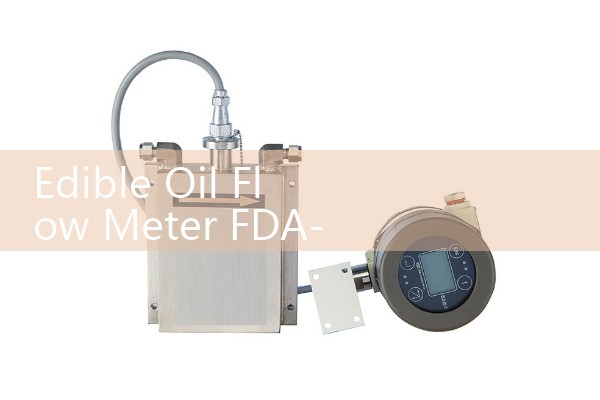
Edible Oil Flow Meter: FDA-Compliant Material Selections
Quick Answer: Edible oil flow meters must use materials that comply with FDA 21 CFR, typically 316L stainless steel, PTFE, and food-grade EPDM or FKM. Oval gear and Coriolis meters from Silver Automation Instruments come with fully traceable wetted parts for soybean, palm, sunflower, and olive oil. You get a direct material certificate with every meter we ship to food plants in Southeast Asia, Africa, and Latin America.
Why FDA Material Compliance Matters in Edible Oil Measurement
Every surface that touches the oil can affect taste, color, and safety. A wrong elastomer swells, cracks, or leaches compounds into the product. We saw this at a snack factory in Mexico where a generic NBR seal turned canola oil rancid after only three weeks. The fix was simple: switch to an FDA-listed EPDM O-ring. After that, no more off-flavor batches. For edible oil, the standard is FDA 21 CFR 177.1550 for perfluorocarbon resins and 177.2600 for rubber articles. Silver Instruments meters carry full material declarations, not just a generic statement.
Common Wetted Materials for Food-Grade Flow Meters
Engineers worry most about the body, gears, and seals. We keep it simple. The body is almost always 316L stainless steel with a surface finish below Ra 0.8 µm. This resists fatty acid corrosion and cleans fast during CIP cycles. For oval gear meters, the rotors are often PEEK or PTFE. PEEK handles higher temperatures, up to 150 °C, and PTFE is the go-to for chemical inertness. Seals and O-rings are the tricky part. EPDM works well with vegetable oils below 120 °C. FKM, also known as Viton, stands up to aggressive palm oil and higher heat but is more expensive. We test every batch of elastomers at our supplier in Jiangsu before machining starts. No shortcuts.
Oval Gear Meters for Edible Oil: Our Workhorse
In practice, a positive displacement oval gear meter is the first choice for batch dosing and tank truck unloading. It handles viscosities from 5 cP to 2,000 cP, which covers thin sunflower oil to thick palm olein. Last year a coconut oil processor in the Philippines needed to replace a turbine meter that kept drifting due to viscosity changes. We supplied the OG-25 model with a 316L body, PTFE gears, and EPDM seals. Pipe size was DN25, flow range 40 to 400 L/h, accuracy +/-0.5% of reading. The meter has been running for 14 months with no drift. Because the measurement chamber has only two moving parts, maintenance is minimal. A quick flush with hot water at 85 °C and the meter is ready for the next batch. For customers who bottle extra virgin olive oil, we sometimes swap EPDM for FKM because the oil can be more acidic. A simple material change, no redesign needed.
Coriolis Mass Flow Meters for High-Accuracy Blending
When a plant blends canola, soybean, and palm oil into a specific ratio, a Coriolis meter makes the process repeatable. It measures mass flow and density directly, so you do not need temperature compensation curves. All wetted parts are 316L, fully FDA compliant. We have a project running in a Turkish margarine plant using our SCF-600 Coriolis meter on DN50 lines. Flow rate is 8,000 kg/h, temperature steady at 70 °C. The plant achieved blend accuracy within +/-0.2%, which reduced raw material waste by 1.2 tons per month. Because there are no internal moving parts or seals in the flow tube, the risk of elastomer failure is zero. The sensor is also immune to CIP chemicals like caustic soda solution, so the production team
How to Select the Right Elastomer for Your Oil Temperature
Most engineers skip the elastomer selection step and later face swollen seals. Here is the thing: EPDM suits oil temperatures up to 120 °C and is compatible with mild fatty acids. It is also the most economical. FKM handles temperatures to 180 °C and resists aggressive palm oil with high free fatty acid content, but it costs more. PTFE, used as a seal material or as gear material, has near-universal chemical compatibility but requires a carefuller installation because it is less elastic. A beverage oil blending plant in Nigeria runs at 95 °C. We chose EPDM for all O-rings and after 18 months, no leaks. If you process refined bleached deodorized palm stearin at 140 °C, specify FKM from the start. We always ask four parameters: oil type, maximum temperature, CIP chemicals, and whether steam sterilization is used. Answer those and material selection becomes obvious.
Installation Notes for Food Plants
Pipe vibration and misalignment kill meter accuracy faster than wear. Mount the meter on a rigid support and keep 10 pipe diameters of straight run upstream. For oval gear meters, always install a Y-strainer with 0.5 mm mesh. A fragment of hardened oil or a lost bolt can jam the gears. We have seen this at a sunflower oil bottling line in South Africa. The fix was a simple strainer added during a weekend shutdown. After that, the meter ran for 11 months with no stop. Temperature sensors: if you need mass flow calculated from volume, add a PT100 RTD within 5 pipe diameters downstream. Silver Instruments oval gear meters can ship with pre-drilled thermowells, so the sensor is in the right spot.
FAQ
Are your flow meters FDA certified?
We provide a material certificate that lists each wetted part and its FDA 21 CFR compliance paragraph. The meters themselves are certified to 3-A sanitary standard when ordered with the tri-clamp connection option.
Can I use a magnetic flow meter for vegetable oil?
No. Vegetable oil is non-conductive. An electromagnetic meter will read zero or erratic values. You need an oval gear, Coriolis, or ultrasonic meter. Our application engineers can confirm this in minutes if you send the oil type.
What is the lead time for an OEM oval gear meter with FDA materials?
Standard models with 316L body and EPDM seals ship in 5 to 7 working days. If you need FKM seals or tri-clamp connections, add 3 days. A typical order to Australia arrives in 10 to 14 days via air freight.
Do you provide meters for palm oil with high free fatty acid content?
Yes. We specify FKM seals and 316L bodies as standard for FFA levels above 5%. The OG series can meter palm oil up to 90 °C without coating issues. We have active installations at several refineries in Sumatra and Calabar.
How do I clean the meter between oil batch changes?
Flush with hot water or a mild caustic solution at low pressure. The oval gear design drains fully when oriented vertically. For CIP operations, specify the 3-A version with polished internals and no dead legs. Cleaning time is typically under 10 minutes.
Send us your oil type, temperature (℃), flow rate (kg/h or L/h), pipe size (DN), and required accuracy. We will select the right FDA-compliant meter and return a quote within one working day. Specify if you need 3-A sanitary certification, ATEX, or IECEx for solvent recovery areas.
 Hot Blog
 Related AD