

『Reasonable flow meter』Related information(clamp on meter|electromagnetic meter|venturi meterrotameter|orifice meter|ultrasonic flow meter|mass flow meter|coriolis mass flow meter|coriolis flow meter|magnetic flow meter|magmeter flow meter|magflow flow meter|mag meter flow meter|electromagnetic flow meter|vortex flow meter|turbine flow meter|thermal mass flow meter|thermal flow meter|rotameter flow meter)
1. What are the types of mass flow meters?
2. Usage of flow meters.
The use of flow meters should be combined with their types, measurement principles, and specific working conditions. The following are the general usage methods and key processes:
1. Clarify measurement requirements and selection of measurement objects: confirm the fluid type (gas, liquid, steam, slurry, etc.) and medium characteristics (corrosive disturbance, viscosity, temperature, pressure). For example, electromagnetic flow meters are suitable for conductive liquids, while turbine flow meters are suitable for low viscosity clean liquids. Measurement range: Determine the flow range according to process requirements to avoid measurement errors or instrument damage caused by exceeding the measurement range. For example, a differential pressure flow meter requires a reasonable selection of the differential pressure transmitter range. Installation environment: Consider pipeline layout (horizontal/vertical), space constraints, vibration, electromagnetic interference, and other factors. For example, vortex flowmeters are sensitive to vibration and need to avoid vibration sources.
2. Classification selection and principle adaptation. Classification based on structural principle: Volumetric flowmeter: calculates flow rate by measuring the number of times the fluid fills and discharges a fixed volume, suitable for high viscosity fluids (such as lubricating oil).
. Differential pressure flowmeter: Based on Bernoullis theorem, a pressure difference is generated through a throttling device to measure flow, which needs to be used in conjunction with a differential pressure transmitter. Turbine flowmeter: It uses fluid to drive th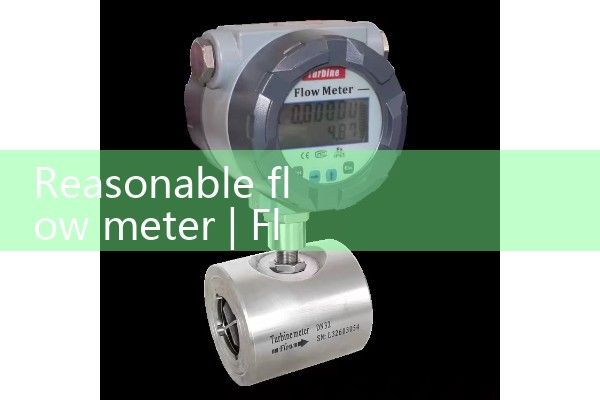
III. Installation and Debugging Installation Requirements: Straight pipe section: Sufficient straight pipe section should be reserved before and after the flowmeter (usually 5D before and 3D after, D is the pipe diameter) to eliminate the influence of eddy currents.
. For example, vortex flowmeters have strict requirements for straight pipe sections. Vertical/horizontal installation: Choose the installation method based on the fluid characteristics. For example, volumetric flow meters are usually installed vertically to avoid gas accumulation; When installing the electromagnetic flowmeter horizontally, ensure that the electrodes are level. Avoid interference: Keep away from vibration sources and electromagnetic fields (such as high-power motors and frequency converters) to prevent signal interference. Debugging process: Zero point calibration: Ensu Hot Blog
 Related AD