


 Current position > News detail
『Before and after the flowmeter』Related information(clamp on meter|electromagnetic meter|venturi meterrotameter|orifice meter|ultrasonic flow meter|mass flow meter|coriolis mass flow meter|coriolis flow meter|magnetic flow meter|magmeter flow meter|magflow flow meter|mag meter flow meter|electromagnetic flow meter|vortex flow meter|turbine flow meter|thermal mass flow meter|thermal flow meter|rotameter flow meter)

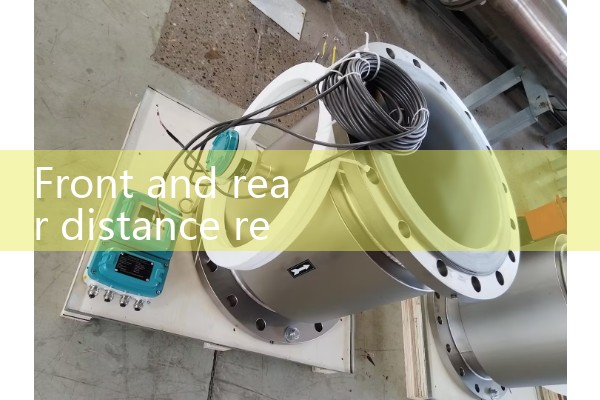
The terms "flow meter front 5, back 3" or "front 10, back 5" mainly depend on the measurement requirements.
1、 Specifically, the top 5 and bottom 3 indicate that there needs to be a straight pipe section with a length of 5 times the pipe diameter in front of the flowmeter, while there needs to be a straight pipe section with a length of 3 times the pipe diameter behind the flowmeter. The top ten and bottom five indicate that there needs to be a straight pipe section with a length of 10 times the pipe diameter in front of the flowmeter, and a straight pipe section with a length of 5 times the pipe diameter behind the flowmeter.
2、 The installation requirements of front 5 and back 3, front 10 and back 5 of the flowmeter are both designed to ensure that the flow state of the fluid in the flowmeter is stable and stable, thereby improving the accuracy of measurement. The requirements for the top 5 and bottom 3 are relatively low, while the top 10 and bottom 5 are more stringent standards. In practical applications, appropriate installation requirements should be selected based on factors such as specific fluid conditions, pipeline diameter, and flow meter type.
2. What are the regulations on the front and rear dimensions when installing a flowmeter?
When installing a flowmeter, there are certain regulations on its front and rear dimensions, mainly to ensure measurement accuracy. Generally speaking, there are differences in requirements for flow meters of the same type that are not silent. Taking common throttling flow meters as an example, such as orifice flow meters, in order to achieve fully developed turbulent flow before entering the flow measurement device, the length of the upstream str
3. Do valves need to be installed before and after the flowmeter?
Valves must be installed before and after the measuring device, and their main function is to facilitate the maintenance, replacemen